
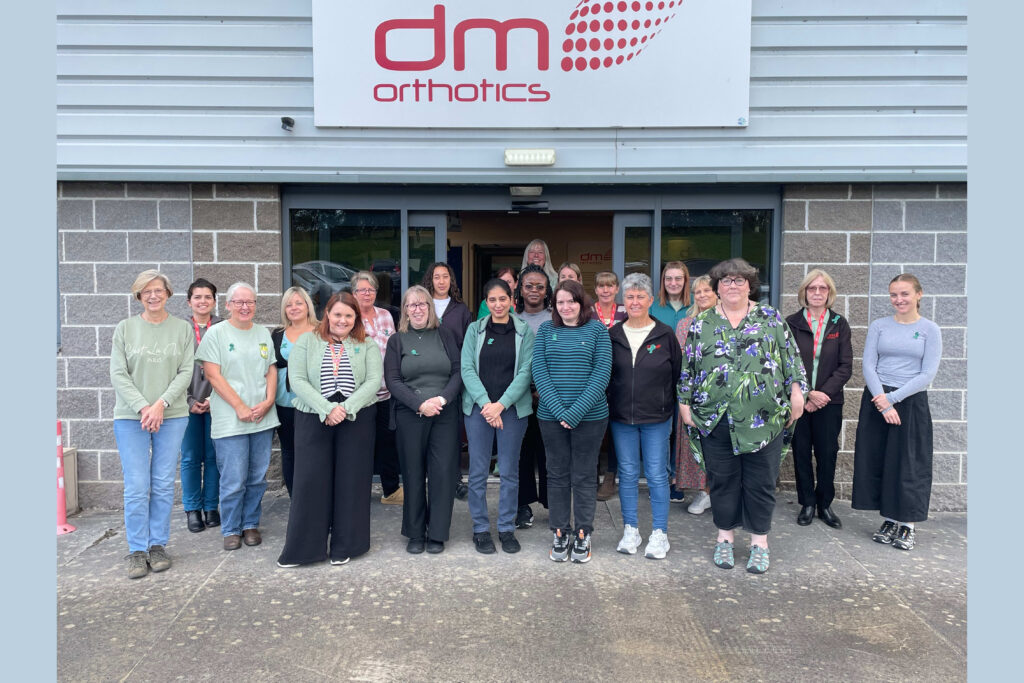
On Wednesday 6th October, we celebrated World Cerebral Palsy Day by hosting three clinics across the UK to provide free consultations for people with Cerebral Palsy and explore how our Dynamic Movement Orthoses (DMO) could help them manage their condition. With Clinics in Redruth (Cornwall), Chelmsford (Essex) and Oswestry (Shropshire), our Clinical Specialists put some words together to summarise how their days went with the various patients who came:
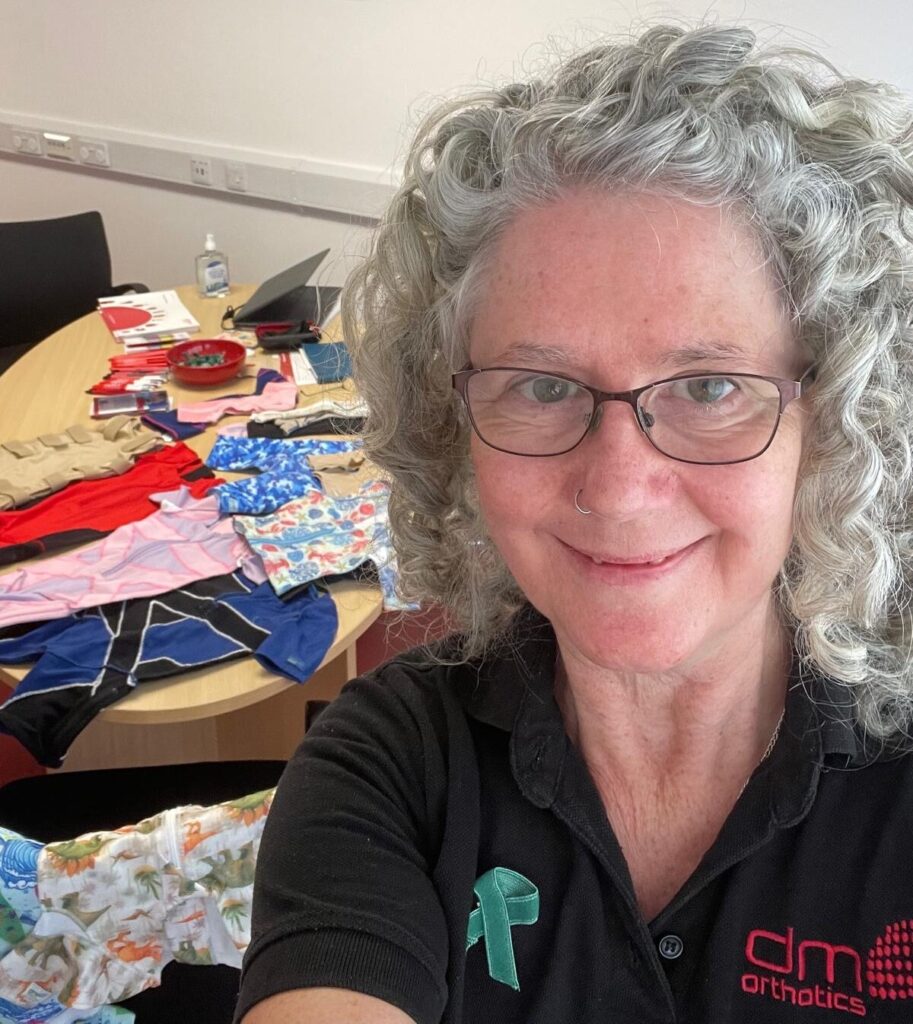
Sarah O'Leary, Clinical Specialist Physiotherapist – Redruth
It was such a pleasure to open the doors of the Redruth Clinic at our DM Orthotics Head Office on World CP Day and to welcome people with neurological presentations and diagnoses for free assessments.
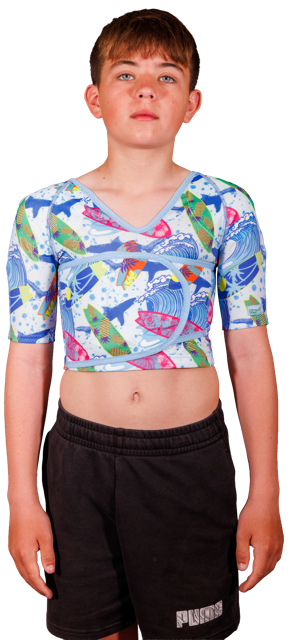
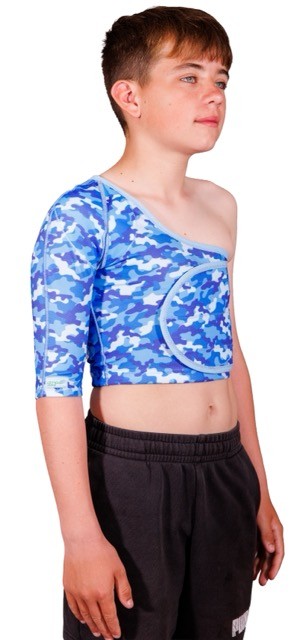
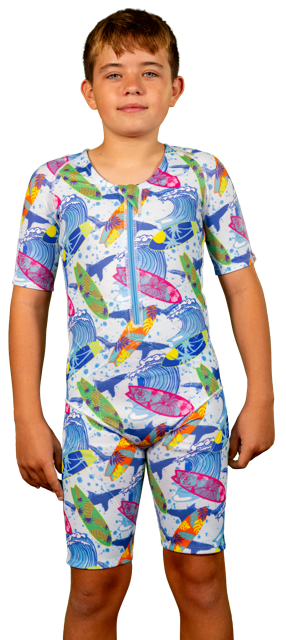
Several children and adults with their families attended to learn about our products and to find out whether a DMO (Dynamic Movement Orthosis) might be of benefit to them. This included the opportunity to try on samples of the DMOs and experience the neurophysiological and biomechanical effects of the orthoses themselves.
This showed as positive changes in stability and movements, through to the calming effect of the compression on their sensory systems. All potentially feeding into more normal and less effortful movements and ultimately helping people to maximise their potential.
Thank you to all of the people who attended, it is always such a privilege to have the opportunity to share and be part of your journeys.
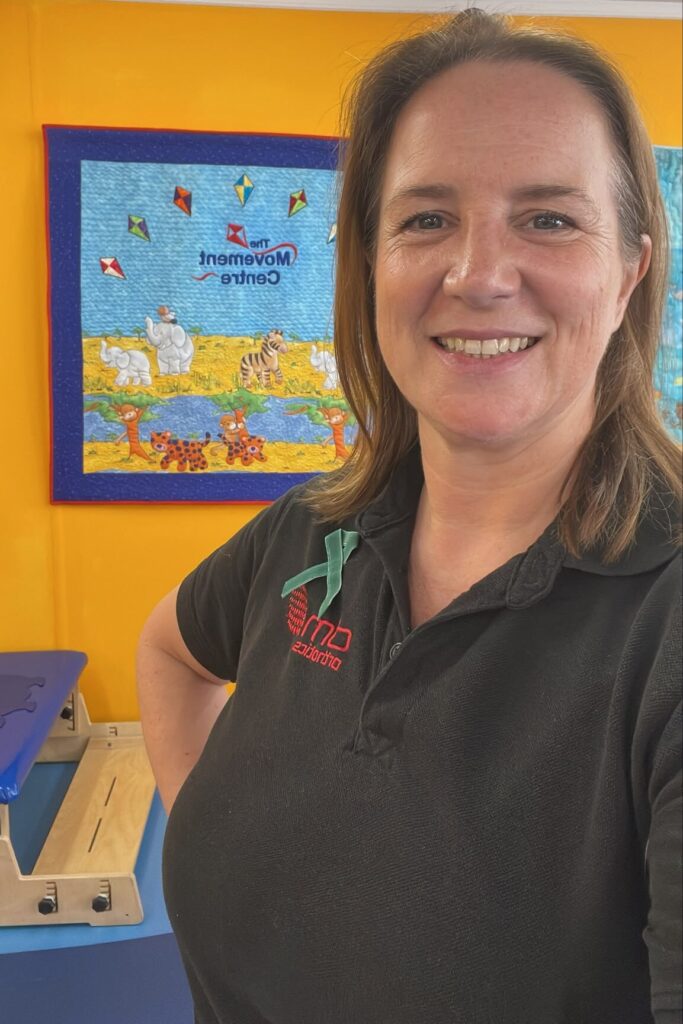
Caroline Jackson, Clinical Specialist Orthotist – Oswestry
To mark World CP Day, we were delighted to partner with The Movement Centre in Oswestry to offer a day of free assessments for people with cerebral palsy. The Movement Centre provided a fantastic venue for the event, and it was a pleasure to welcome members of their team into the appointments to gain a first-hand insight into our assessment approach.
A number of families attended throughout the day, giving children the opportunity to trial sample DMO orthoses. This allowed families to see how the garments may benefit their child and to explore the practical features and solutions we offer to make daily wear, dressing and changing as simple as possible.
As a clinician, one of the most rewarding aspects of these events is quietly observing the reactions of family members as they interact with their children while the sample garments are in place. It was wonderful to hear parents and carers comment on how much more stable and supported their child felt.
One parent observed that their child was able to self-correct much more easily than usual. Where they would typically lose balance and drift to one side, they were able to regain control and return to midline independently. Another parent noticed an immediate improvement in their child's sitting balance during the assessment session.
It was also a valuable opportunity to work alongside the clinical team who regularly support these children and to hear about the progress they are making through the work of The Movement Centre charity. We were proud to play a small part in helping these children work towards their goals and to celebrate World CP Day by supporting families in their rehabilitation journey.
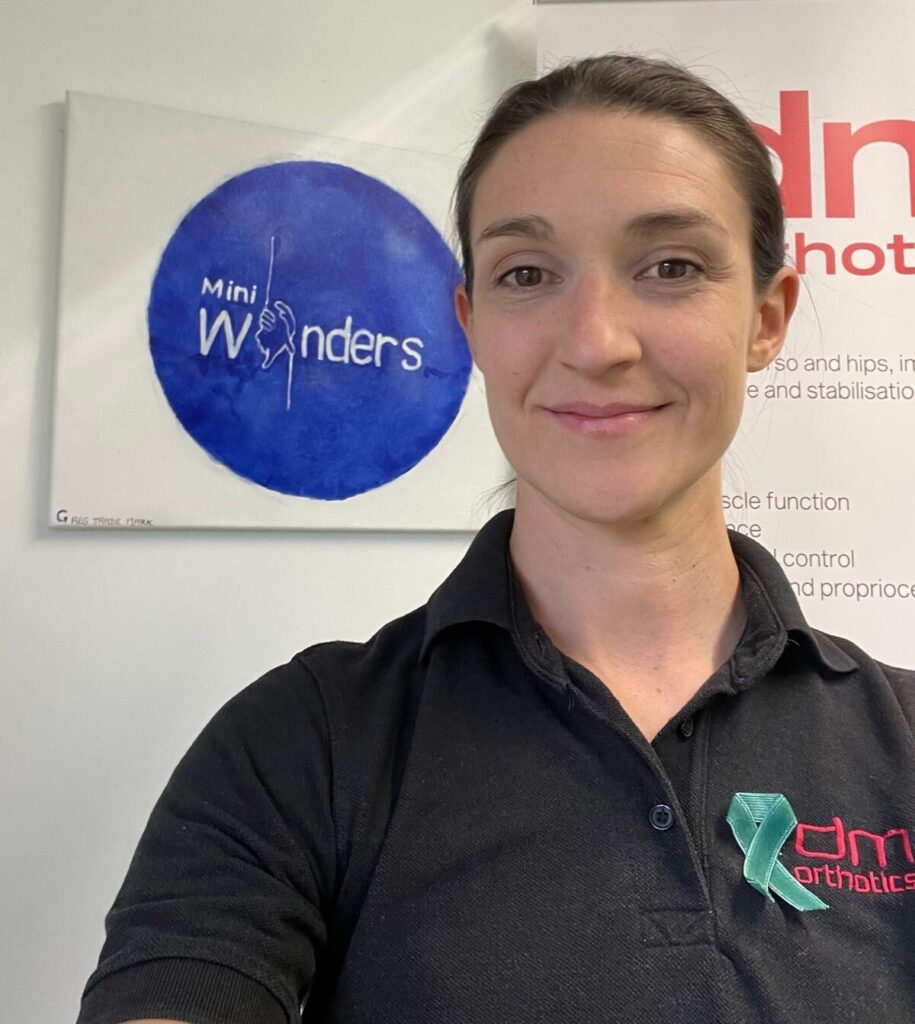
Holly Nicholson, Clinical specialist Physiotherapist – Chelmsford
I spent World CP Day at Mini Wonders Physiotherapy, in the beautiful Essex countryside surrounded by fields. The team at Mini Wonders are brilliant at working with children and their families to maximise their potential and increase independence, whilst having a lot of fun. We already work with the Mini Wonders Physios and Occupational Therapists from The Great Little OT Practice, so this was the perfect place to run my CP Day clinic.
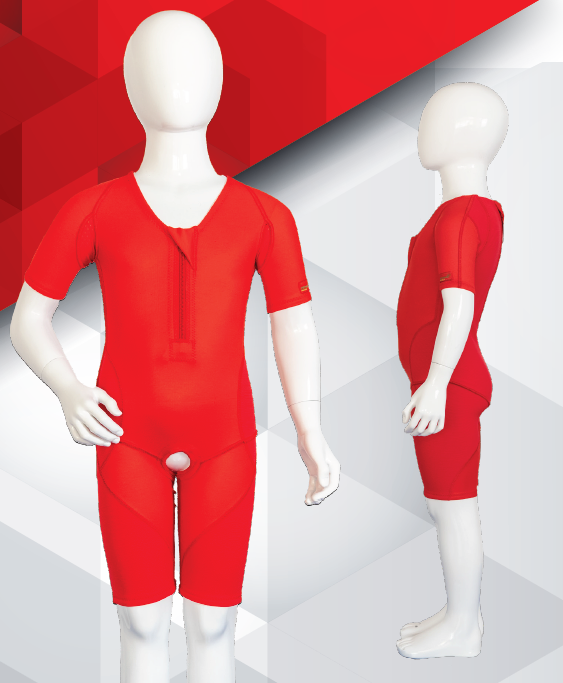
Physio Luke was already working with a very young patient when I arrived to set up my clinic room. I had an Early Intervention Suit with me and we trialled this with really good effect, with the little girl able to sit using her own strength and balance, propping through her left hand and with less support from the therapists. At the end of the session she initiated moving from sitting into a crawling position by herself, which was amazing to witness. Every child with CP has a unique personality, and the way their CP affects them is as unique as they are. It was lovely to see how the different children in my clinic were motivated by different toys and games, with one really loving my glittery squish bug, and another raring to grab the slinky and head for the stairs! The designs for their orthoses were all very personal to them, from dinosaur print to bright orange stitching!
We know that early intervention is crucial for working within the ‘sensitive window’ of neuroplasticity at these young ages, where real gains can be made in mobility (1). It was wonderful to see how the children were being supported with self-initiated mobility through use of adaptive equipment. The On Time Mobility Framework outlines how independent mobility is a right for every child, and highlights the importance of embracing different modalities to allow a child to experience self-initiated mobility at an appropriate age (2). It is summarised in a helpful article by Elena Noble, a Physiotherapist at Rifton (3). The framework highlights the importance of timing, urgency, multimodal use of equipment, frequency of use in real-world environments, and sociability.
This got me reflecting on the role of a DM Orthotics orthosis within this framework. DMOs have been designed to work with a child’s sensory and motor systems, to optimise posture, muscle tone and stability. If we apply the principles of the On Time Mobility Framework, DMOs can help children to access mobility equipment with improved posture and efficiency of movement, managing fatigue and enabling more success in the movement, which encourages further practice. We can provide orthoses for children under one year old with our Early Intervention Suit, so that early sensitive window of neuroplasticity is covered. We know from our clinical experience that DMOs can be used easily alongside other equipment as they are not bulky, fitting well underneath clothes, and therefore equipment does not need to be adjusted or altered to accommodate them. If a child requires less adult support through wearing a suit or pair of shorts, this can make it easier for a caregiver to practice mobility with their child outside of a therapy session. If only one pair of hands is needed instead of two, this can then enable mobility equipment to be used in social situations such as a local playground, to the shops or to school, thus enriching a child’s life and encouraging active, self-initiated mobility.
This CP Day I had firmly in my mind the 6 F-Words for Childhood Disability (4). Whilst DMOs have been developed primarily for Fitness and Function, in my practice I focus on how they can impact the other F-words: Friends, Family, Fun, and Future! Why does a child need more stability? What does it mean for a child and their family, if they can sit with reduced support? For one of my patients, an improvement in stability means that mum can sit in front of her child and play, interacting with him face to face rather than supporting him from behind. For another, being able to stand still and stable means that he can stand in line for lunch at school with his friends rather than having to sit separately. These are tangible and meaningful benefits that children with DMOs can experience every day.
It was a privilege to meet these wonderful children and their families on World CP Day. I am so excited to fit their new orthoses when they are ready, to see how much more fun and mischief they can get up to!
References
- 1. Novak I, Jackman M, Finch-Edmondson M et al. Cerebral palsy The Lancet, 2025 406, 174-188
- 2. Sabet A, Feldner H, Tucker J, Logan SW, Galloway JC. ON Time Mobility: Advocating for Mobility Equity. Pediatr Phys Ther. 2022 Oct 1;34(4):546-550
- 3. Rifton | On Time Mobility Framework for Children with Disabilities.
- 4. The ICF Framework and the F-Words
Share this post